When homeowners schedule an HVAC service, they often wonder what the technician will actually do during the visit. Understanding the process helps them feel more confident about the quality of care their heating and cooling system is receiving. Regular HVAC service and repair not only improves performance but also extends the lifespan of the system, keeping energy bills manageable and indoor comfort consistent.
What Happens During an HVAC Service Visit?
An HVAC service visit usually follows a structured process to make sure the system runs efficiently, safely, and reliably. Here’s what homeowners can expect during a typical appointment:
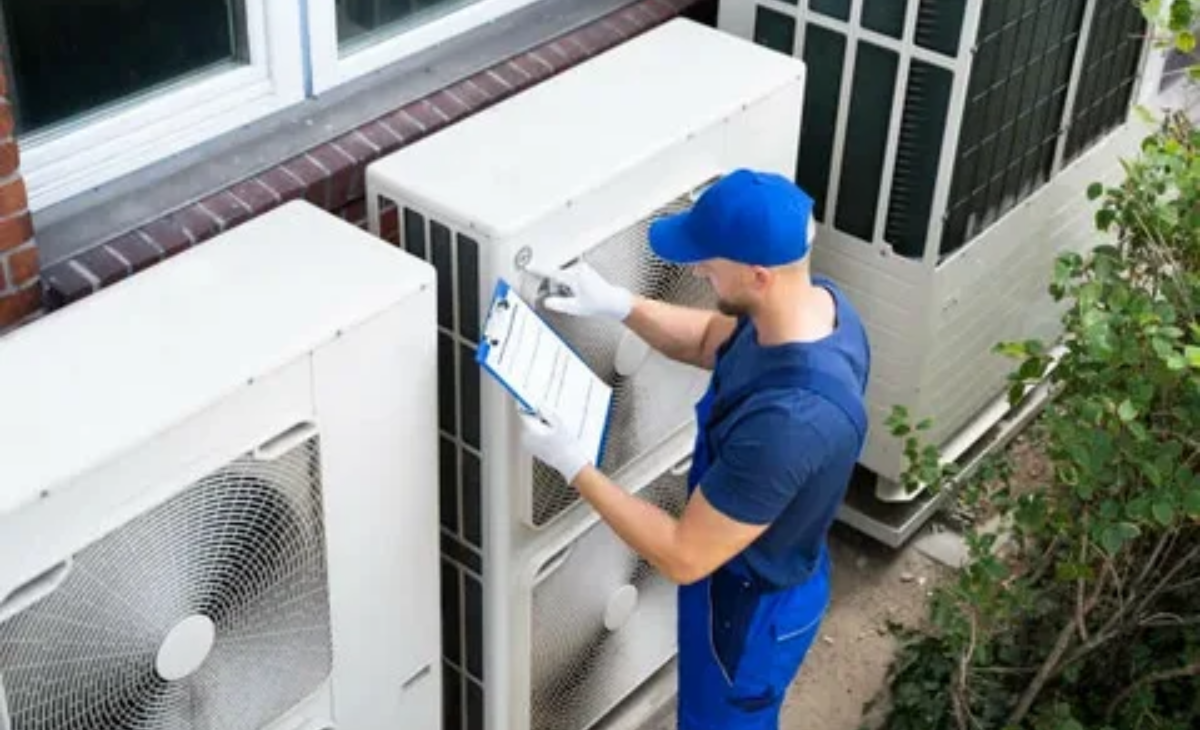
- Initial System Evaluation – The technician begins with a walkthrough of your HVAC system, checking thermostat settings, system responsiveness, and overall performance. This step helps confirm whether the unit is cycling properly and maintaining the desired temperature.
- Air Filter Inspection and Replacement – Dirty or clogged filters reduce airflow and strain the system. Technicians inspect filters, clean reusable ones, or replace them if necessary to improve efficiency and indoor air quality.
- Ductwork and Airflow Check – Visible ductwork is inspected for leaks, gaps, or blockages. Ensuring proper airflow helps balance heating and cooling throughout the home and prevents wasted energy.
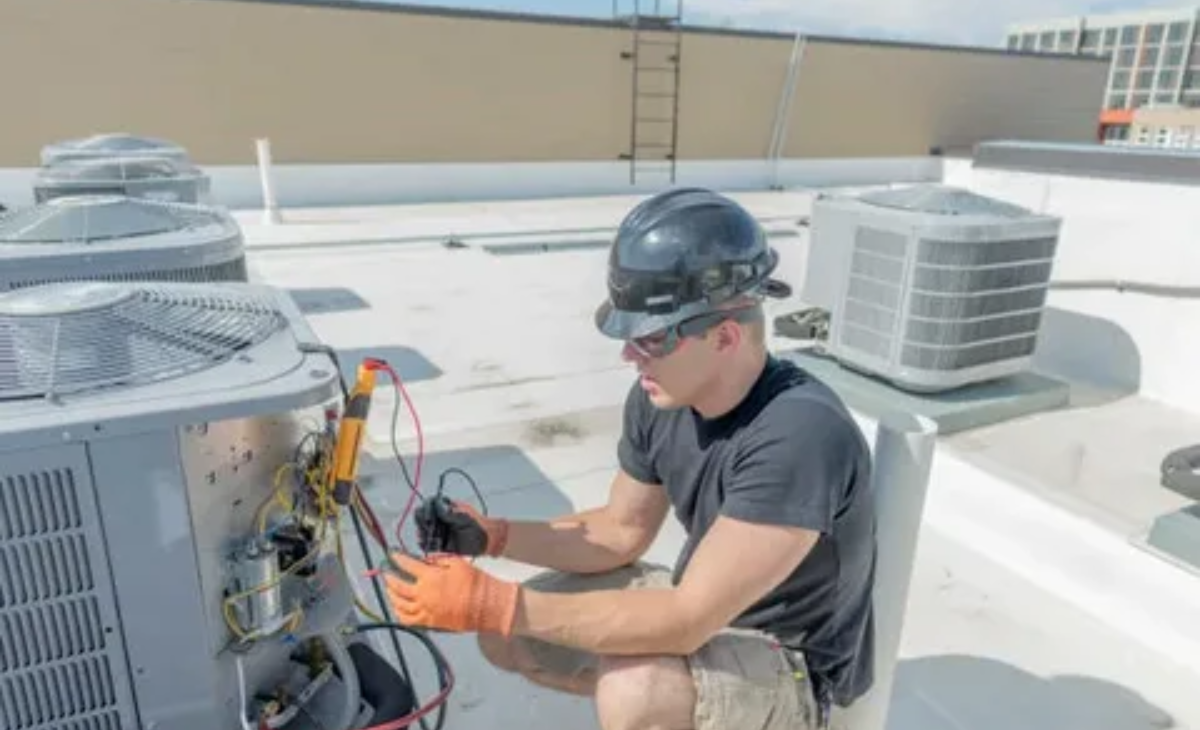
- Electrical and Wiring Assessment – Safety is a priority. The technician examines electrical connections, tests voltage levels, and looks for frayed or corroded wires that could cause breakdowns or fire hazards.
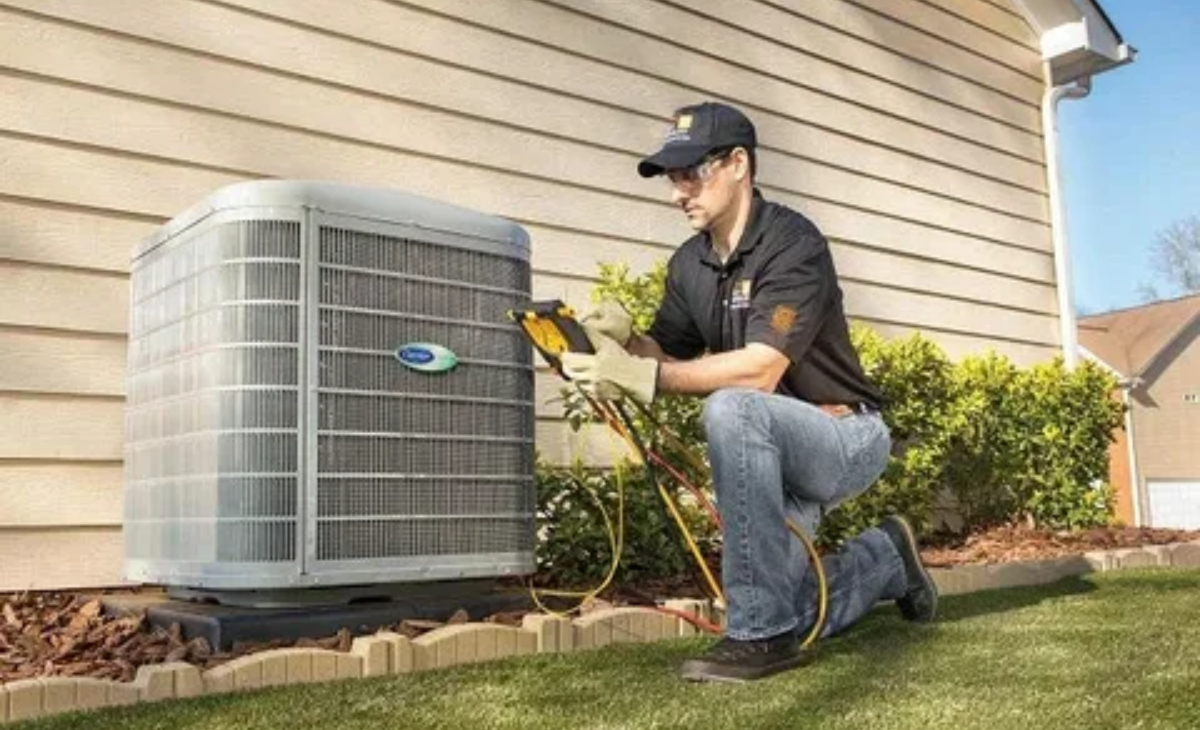
- Refrigerant and Coil Inspection – Refrigerant levels are checked to ensure they meet manufacturer specifications. The technician also examines evaporator and condenser coils for dirt buildup, ice formation, or signs of leaks that can reduce cooling efficiency.
- Safety and Performance Testing – The system undergoes a series of tests, including thermostat calibration, blower motor operation, and pressure checks. Carbon monoxide levels may also be tested on heating systems to confirm safe operation.
- Identifying Early Warning Signs – Beyond immediate fixes, technicians look for developing issues such as unusual wear, noises, or declining efficiency. Detecting problems early helps homeowners avoid costly emergency repairs later.
- Final Report and Recommendations – After the inspection, the technician provides a summary of findings, suggests necessary repairs, and may recommend a preventive maintenance plan to keep the HVAC system running smoothly year-round.
Why Is Regular HVAC Service Important?
Routine maintenance keeps a heating and cooling system efficient, reliable, and safe. Just like a car needs oil changes, an HVAC system requires periodic tune-ups to perform well. Preventative HVAC service repair ensures that coils are cleaned, refrigerant levels are correct, and moving parts are lubricated to avoid strain on the system.
Many homeowners also schedule a cooling service ahead of summer to make sure the AC unit can handle the extreme heat without overworking. This proactive approach not only keeps energy costs down but also improves indoor air quality by reducing dust, allergens, and humidity imbalances.
How Long Does an HVAC Service Take?
The average HVAC service visit can take anywhere from 60 to 90 minutes depending on the system’s condition and size. For larger units or those that haven’t been serviced in a long time, the process may take longer.
Technicians typically go through a step-by-step checklist that ensures nothing is overlooked. Below is a simple breakdown of common tasks:
| Step | What Technicians Check | Why It Matters |
| Thermostat Settings | Accuracy and efficiency | Ensures comfort without overuse |
| Filters & Airflow | Clogs or dirt buildup | Improves air quality & system efficiency |
| Electrical Components | Wiring & connections | Prevents hazards & system failure |
| Refrigerant Levels | Proper charge | Maintains cooling efficiency |
By the end of the visit, homeowners receive a detailed report on the system’s health, recommendations for repairs, and advice for future upkeep.
Do HVAC Service Visits Differ for Homes and Businesses?
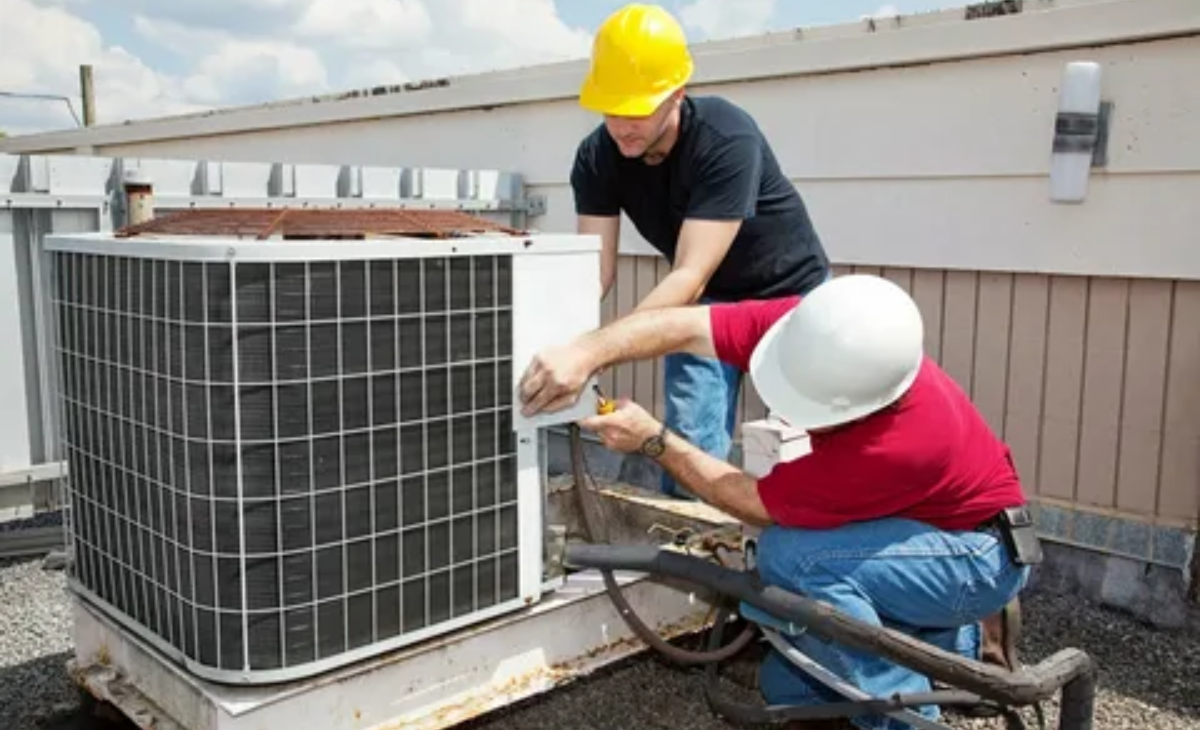
Yes, the scope of HVAC service visits can vary depending on whether it’s a residential or commercial system. Residential systems are usually smaller and designed for single-family comfort, while business environments often rely on larger, more complex equipment.
For example, commercial HVAC systems may require multiple technicians, advanced diagnostic tools, and more frequent service schedules. Businesses depend on these systems for employee productivity, customer comfort, and sometimes even protecting sensitive equipment.
What Maintenance Tasks Should Homeowners Expect?
During a professional service visit, technicians typically complete several routine maintenance tasks such as:
- Replacing or cleaning air filters
- Inspecting belts, motors, and electrical connections
- Testing system controls
- Checking airflow and ductwork for leaks
- Ensuring refrigerant is properly charged
These steps not only optimize performance but also reduce the risk of emergency HVAC service calls when the system is under stress during extreme weather. Homeowners who stay consistent with maintenance experience fewer breakdowns and more reliable comfort year-round.
For a deeper look at why ongoing upkeep matters, readers can review Why Regular HVAC Maintenance Is Essential for Your Home, which covers the long-term savings and efficiency benefits of scheduling consistent service.
How Can Homeowners Prepare for an HVAC Service Visit?
Preparation can make the technician’s job easier and the service visit more efficient. Clearing the area around indoor and outdoor units, noting unusual noises, and writing down any recent performance issues all help. Homeowners should also ensure easy access to circuit breakers, vents, and thermostats.
This preparation allows the technician to quickly focus on diagnostics and solutions, ensuring that the system is back to running smoothly in no time.
FAQs
1. How often should HVAC service be scheduled?
Most experts recommend twice a year—once in spring for cooling and once in fall for heating.
2. What’s included in a typical HVAC service visit?
Technicians usually inspect filters, check refrigerant, test controls, and evaluate overall system safety.
3. Can HVAC service help lower energy bills?
Yes, regular maintenance improves efficiency, which reduces unnecessary energy consumption.
4. What happens if I skip HVAC service for a year?
Skipping service increases the risk of breakdowns, higher energy bills, and reduced system lifespan.
5. Do businesses need more frequent HVAC service?
Yes, commercial HVAC systems often run longer hours and require more frequent maintenance to stay reliable.
Conclusion
A professional HVAC service visit is more than just a quick inspection—it’s a detailed evaluation that ensures the system remains efficient, safe, and reliable. From filter checks to refrigerant levels, every part of the system gets attention to prevent costly breakdowns and improve comfort. Whether it’s for residential units or commercial HVAC systems, consistent service keeps energy bills in check and ensures year-round dependability.
Homeowners in Montgomery and surrounding areas who want dependable care can trust KNS Mechanical, a professional HVAC service company dedicated to keeping systems running at peak performance. For personalized recommendations or to schedule a service, don’t hesitate to Contact us today.